In India, some foods are more than just snacks, they are pieces of history. One such example is the famous brittle sweet associated with the hill station of Lonavala, a place where travelers, railway history, and traditional sweet-making culture meet. For more than a century, this crunchy jaggery-nut confection has been part of countless journeys between Mumbai and Pune, turning a small hill town into a culinary landmark.
Visitors who travel through the Western Ghats often return home carrying boxes of this sweet. It is not only because of the taste, but also because the product carries a story one that connects railway workers, local entrepreneurs, tourism, and a thriving traditional sweets industry.
This article explores everything about Lonavala Chikki, from its origins and varieties to the business ecosystem that surrounds it today.
The Origin Story Behind Lonavala’s Famous Sweet
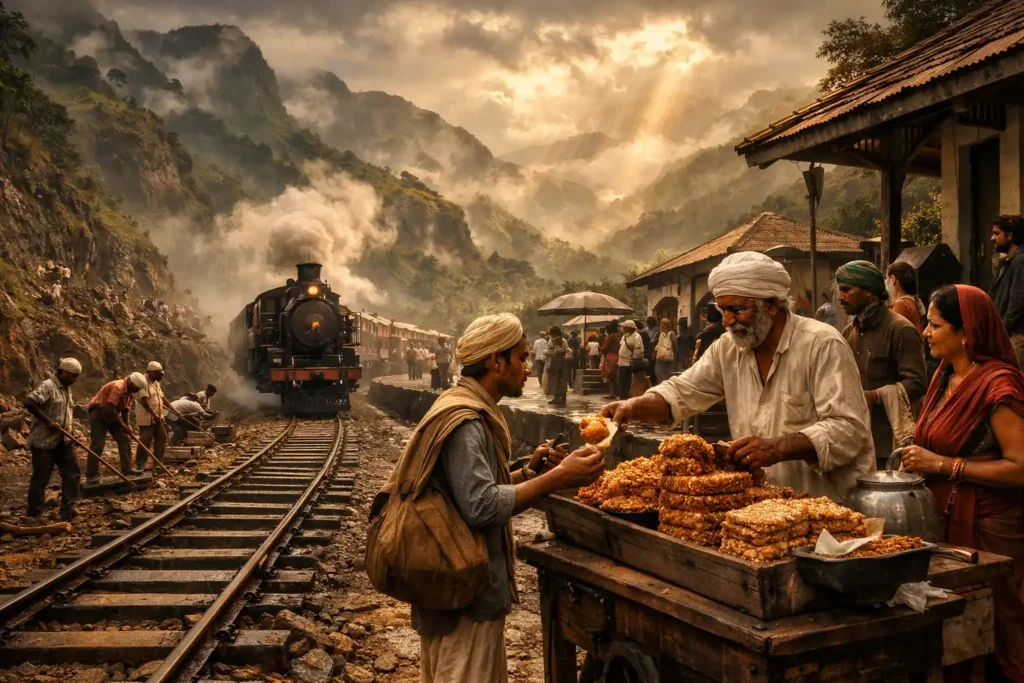
The history of Lonavala Chikki dates back to the late 19th century during the construction of the Mumbai–Pune railway line through the Khandala ghat section of the Western Ghats. Building this railway required thousands of laborers who needed food that was nutritious, portable, and capable of providing sustained energy during physically demanding work.
Around the 1880s, a sweet maker named Bhivrajji Agarwal recognized this need. He began preparing a simple mixture of roasted peanuts and jaggery that workers could eat quickly while working. The snack was originally known as “gud-dani”, meaning jaggery mixed with nuts.
The preparation was simple but powerful in terms of nutrition. Peanuts provided protein and healthy fats, while jaggery offered quick energy and minerals. This combination made it ideal for workers performing labor-intensive tasks in the mountains.
As railway construction progressed, the snack gained popularity among travelers who stopped at the Lonavala railway station. Eventually, the sweet began to be packaged and sold to passengers on trains traveling between Mumbai and Pune.
Over time, the name “chikki” replaced gud-dani. The word is believed to come from the Marathi term chikkat, meaning sticky. The name was easy to remember and soon became associated with the town itself.
Why Lonavala Became Famous for This Sweet
Several factors contributed to the rise of this product as a regional icon.
Strategic Location
Lonavala sits between two major cities—Mumbai and Pune making it a natural stopping point for travelers. The hill station is located in the Sahyadri mountain range, part of the Western Ghats, at an elevation of about 620 meters.
Because of its cool climate, scenic landscapes, and waterfalls, Lonavala became a popular weekend getaway. This constant flow of visitors created the perfect environment for roadside snack businesses.
Railway Influence
When the railway line opened, thousands of passengers passed through Lonavala every week. Vendors began selling the peanut-jaggery sweet directly on platforms and trains.
Travelers loved the crunchy snack because it was easy to carry and did not spoil quickly. Soon it became a symbolic souvenir of the Mumbai–Pune journey.
Tourism Growth
Today, tourism remains the strongest driver behind the popularity of the sweet. Visitors who explore places such as:
- Bhushi Dam
- Tiger Point
- Lion’s Point
- Karla Caves
- Lohagad Fort
almost always stop at local shops to buy boxes of the famous brittle before heading back home.
The Evolution of a Small Snack into a Major Industry
What started as a simple energy snack gradually evolved into a large local industry. Over time, multiple manufacturers began producing their own versions, leading to a cluster of sweet makers in and around Lonavala.
Today the Lonavala chikki market consists of dozens of shops and manufacturers supplying travelers, wholesalers, and online buyers.
The industry includes:
- Small family-run sweet shops
- Medium-scale traditional sweet manufacturers
- Modern packaged snack producers
Many of these businesses have expanded beyond the hill station and now sell their products across India and internationally.
Famous Shops and Brands in Lonavala
Several brands played an important role in shaping the reputation of the product.
Maganlal Chikki
Maganlal Chikki is often considered the original brand associated with the snack. The shop was founded by the Agarwal family near the Lonavala railway station. Their groundnut chikki became extremely popular among travelers.
Interestingly, many shops today use the name “Maganlal” because the name was never strongly trademarked, creating a large network of stores using similar branding.
National Chikki
Another major player is National Chikki Mart, which expanded the range of products by introducing new varieties and modern packaging.
Cooper’s Chikki and Fudge
Cooper’s became famous for its chocolate walnut fudge but also sells chikki varieties that attract long queues of tourists.
Other Known Shops
Other well-known retailers include:
- A1 Chikki
- Purohit Chikki
- Narayanji Gajak Wale
- Gurukripa
Together these businesses form a competitive sweet-making ecosystem that attracts thousands of visitors every weekend.
Types and Varieties Available Today
Although the original version used peanuts and jaggery, manufacturers have created dozens of variations to satisfy changing tastes.
Traditional Varieties
The most popular traditional versions include:
- Peanut chikki
- Sesame chikki
- Crushed groundnut chikki
- Coconut chikki
These versions follow the original recipe closely and remain the most widely consumed.
Premium Dry Fruit Varieties
As tourism grew, producers began experimenting with premium ingredients such as:
- Cashew
- Almond
- Pistachio
- Mixed dry fruits
These varieties are often sold in gift boxes and premium packs.
Modern Flavored Versions
Some manufacturers have also introduced new flavors designed for younger consumers, such as:
- Chocolate chikki
- Rose flavored chikki
- Honey peanut chikki
- Mint or fruit variants
While traditionalists prefer the classic taste, these modern options have helped expand the market.
How the Sweet Is Traditionally Made
The manufacturing process has remained largely unchanged for decades, even though modern machines are sometimes used for large-scale production.
Step 1: Roasting the Nuts
Peanuts are roasted until they develop a golden color and a strong nutty aroma. The skins are removed and the nuts are sometimes split or crushed.
Step 2: Preparing the Jaggery Syrup
Jaggery is melted in large pans and heated until it reaches a specific temperature known as the hard-crack stage.
This stage is crucial because it determines the final texture of the sweet.
Step 3: Mixing
Roasted nuts are quickly mixed with the hot jaggery syrup.
Step 4: Rolling and Spreading
The mixture is poured onto flat surfaces and rolled into thin sheets.
Step 5: Cutting
Before the mixture cools completely, it is cut into rectangular pieces.
Once cooled, the brittle becomes hard and crunchy.
Nutritional Value and Health Aspects
One reason this snack gained popularity is its nutritional balance compared to many other sweets.
A typical peanut-jaggery brittle provides:
- High energy
- Plant-based protein
- Healthy fats
- Minerals from jaggery
A 30-gram piece may contain around 150 calories along with moderate protein and carbohydrates.
Because of this nutritional profile, the snack has often been compared with modern energy bars.
However, it should still be eaten in moderation due to its sugar content.
Comparison with Other Indian Nut Brittles
India has several regional sweets made using nuts and jaggery.
One famous example is Kovilpatti Kadalai Mittai, a traditional peanut candy from Tamil Nadu that even holds a Geographical Indication (GI) tag.
You can read more about its heritage in our article on Kovilpatti Kadalai Mittai.
There are also interesting differences between these regional sweets. For a deeper comparison, see our article exploring the rivalry between Kovilpatti Kadalai Mittai and Lonavala Chikki, where the history, texture, and cultural significance of both products are discussed.
While the ingredients may appear similar, each region developed its own style, flavor profile, and manufacturing technique.
The Role of Tourism in the Industry
Tourism continues to be the backbone of the local sweet industry.
Every weekend, tens of thousands of visitors arrive in Lonavala from Mumbai and Pune. Many of them consider buying the famous brittle an essential part of the trip.
Highway shops, railway stalls, and market outlets all benefit from this traveler culture.
Visitors often purchase multiple boxes to take back home as gifts for friends and family.
Export and National Distribution
Over time, the popularity of the product spread beyond Maharashtra.
Many manufacturers now supply the snack to:
- Indian supermarkets
- Online marketplaces
- International grocery stores
Demand is particularly strong among the Indian diaspora in countries like the United States, Canada, and the United Kingdom.
Traditional sweets like this have also gained attention among health-conscious consumers looking for snacks made from simple ingredients.
Challenges Facing the Industry
Despite its success, the industry faces several challenges.
Brand Duplication
Many shops use similar names, which sometimes confuses customers and dilutes brand identity.
Raw Material Prices
The cost of peanuts, jaggery, and premium nuts fluctuates frequently, affecting profit margins.
Changing Consumer Preferences
Modern consumers are increasingly looking for low-sugar or high-protein snacks, forcing manufacturers to innovate with new product variants.
A Traditional Sweet with Modern Relevance
More than a century after its creation, Lonavala Chikki continues to symbolize the blend of tradition, travel culture, and entrepreneurship.
What began as a simple snack for railway workers has grown into a thriving sweet-making cluster and a beloved travel souvenir.
Its story reflects how regional foods can evolve into cultural icons while still preserving their original simplicity.
For those interested in understanding the foundations of this sweet, our Peanut Chikki guide explores the ingredients and preparation techniques in greater detail. Businesses involved in production and distribution can also learn more about sourcing and supply through our page on Peanut Chikki Wholesale, which explains how manufacturers and traders operate within this traditional snack market.
From railway platforms to international stores, this crunchy jaggery-nut confection continues to carry the flavor of India’s travel culture—one bite at a time.