
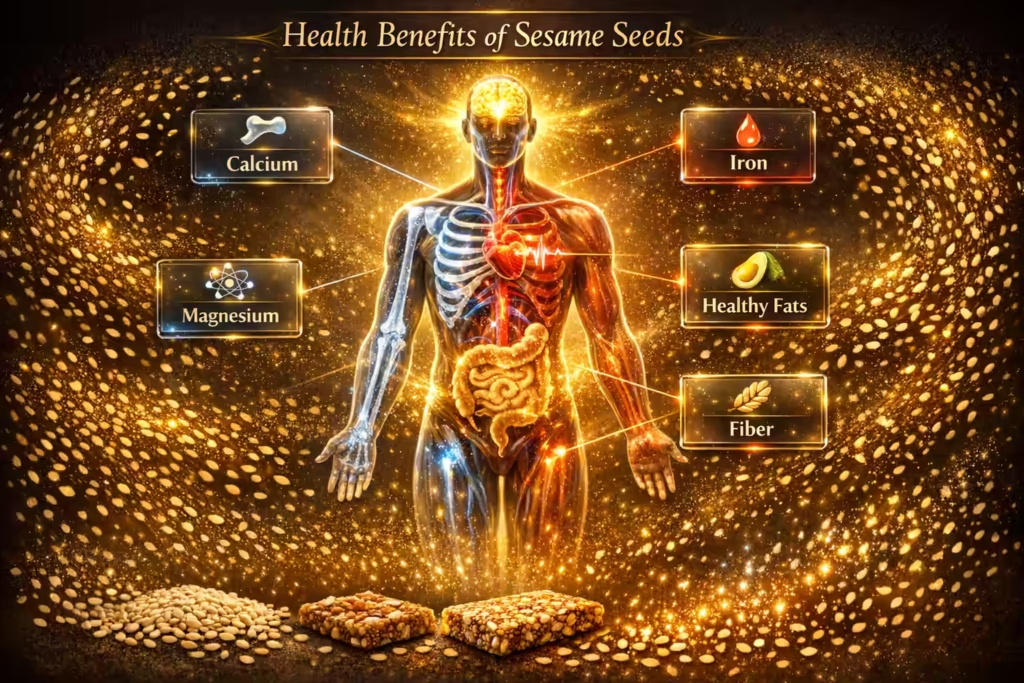
Introduction: The Small Seed That Stayed Relevant for Generations
Some foods don’t need marketing. They survive through generations because they work.
Sesame seeds – or til – are one of them.
Long before modern nutrition science existed, Indian households were already using sesame in daily life. Today, research is slowly validating what tradition always suggested – the health benefits of sesame seeds are real when consumed regularly and in the right form.
But here’s something even more important.
It’s not just about what you eat – it’s also about how you consume it. And that’s where traditional formats like sesame chikki quietly play a role.
What Are Sesame Seeds?
Sesame seeds are tiny oil-rich seeds known for their dense nutritional profile.
They come in different forms:
- White sesame seeds (commonly used in food)
- Black sesame seeds (more intense, often used traditionally)
- Hulled and unhulled varieties
Across cultures, sesame is not just an ingredient – it’s considered a functional food, meaning it offers both nutrition and health-supporting properties.
Sesame Seeds Nutrition
Instead of assumptions, let’s look at what sesame seeds actually provide.
| Nutrient | Approx Value (per 100g) |
|---|---|
| Calories | ~573 kcal |
| Protein | ~17 g |
| Healthy Fats | ~49 g |
| Fiber | ~12 g |
| Calcium | ~975 mg |
| Iron | ~14.5 mg |
| Magnesium | ~350 mg |
| Zinc | ~7.8 mg |
These values are based on global nutrition databases like USDA.
What makes sesame unique is this –
a very small quantity delivers a surprisingly high amount of nutrients.
Health Benefits of Sesame Seeds (Explained Simply)
1. Supports Heart Health
These seeds are naturally rich in healthy fats, especially polyunsaturated fats, along with plant compounds like lignans (such as sesamin).
These compounds may help in:
- Reducing bad cholesterol (LDL)
- Supporting better blood circulation
Among the many health benefits of sesame seeds, heart health support stands out when they are included regularly in a balanced diet.
2. Strengthens Bones Naturally
One of the most important sesame seeds benefits is their high calcium content.
Along with magnesium and phosphorus, they support:
- Bone strength
- Joint stability
- Long-term skeletal health
This makes the benefits of eating sesame especially valuable for women and older adults.
3. Improves Digestion and Gut Health
These seeds are a good source of dietary fiber, which plays a key role in digestion.
Regular intake may help:
- Improve bowel movement
- Support gut function
- Reduce bloating (when consumed in moderation)
Natural fiber sources like this gently support digestive health.
4. Provides Clean, Sustained Energy
Unlike processed snacks that give quick spikes and crashes, they offer slow-releasing energy.
This is because they contain:
- Healthy fats
- Protein
- Essential minerals
That’s why traditional foods like sesame chikki were often used during work or travel – they provide energy without heaviness.
5. Supports Skin and Hair Health
Rich in antioxidants and healthy oils, this ingredient may help:
- Maintain skin hydration
- Support natural glow
- Strengthen hair roots
These sesame benefits work gradually and support overall wellness from within.
6. Helps in Maintaining Blood Sugar Levels
These seeds have a low glycemic impact, meaning they don’t cause sudden spikes in blood sugar.
Because of their fiber and healthy fat content, they:
- Slow down sugar absorption
- Help maintain stable energy levels
This makes them a better snack choice compared to refined foods.
7. Rich in Natural Antioxidants
They contain compounds like sesamin and sesamol, which act as antioxidants.
These help:
- Protect cells from damage
- Reduce oxidative stress
Over time, this contributes to long-term health benefits.
8. May Support Hormonal Balance
These seeds contain plant-based compounds called lignans, which may influence hormonal balance.
This is especially relevant for women.
👉 For more clarity, especially during pregnancy, refer to our guide on sesame chikki during pregnancy.
9. Helps in Managing Appetite and Weight
Because they are rich in fiber and healthy fats, they can help:
- Keep you full for longer
- Reduce unnecessary snacking
This supports better eating habits over time.
10. Supports Immunity
They provide nutrients like:
- Zinc
- Iron
- Magnesium
These nutrients play an important role in supporting immunity and overall body function.
Traditional Wisdom: Why Sesame + Jaggery Is a Powerful Combination
In Indian tradition, sesame is rarely consumed alone.
It is often combined with jaggery (gud) – and this combination is not random.
- Sesame provides healthy fats, calcium, and minerals
- Jaggery provides natural iron and quick energy
Together, they create a balanced and nourishing food.
This is why foods like handmade sesame chikki became part of everyday life – especially during winters and physically active routines. The way these two ingredients are combined also matters, as traditional preparation methods help retain both taste and nutritional value.
If you’re curious about this process, you can explore it in detail in our guide on how sesame chikki is made.
A Practical Way to Eat Sesame Daily
Let’s be honest – eating sesame seeds every day in raw form is not practical.
That’s where traditional formats become useful.
Instead of forcing a habit, you can include sesame through familiar foods. For example, many people naturally consume it through snacks like chikki, where it is already combined in a balanced way.
And when prepared using traditional methods, the simplicity is maintained – without unnecessary additives.
Are There Any Side Effects?
Sesame seeds are generally safe, but moderation matters.
- Excess intake may cause digestive discomfort
- Some individuals may have sesame allergies
As with any natural food, balance is more important than quantity.
Who Should Include Sesame in Their Diet?
Sesame seeds can be beneficial for a wide range of people when consumed in moderate amounts as part of a balanced diet.
- Women may benefit from sesame due to its calcium content and plant-based compounds that support bone strength and hormonal balance over time.
- Kids can include sesame in simple forms as it provides essential nutrients and energy that support growth and daily activity.
- Working professionals may find sesame helpful as a steady energy source, especially when included in convenient foods that can be consumed during busy routines.
- Pregnant women can also consider sesame with proper understanding and moderation – including how sesame chikki can be consumed during pregnancy, which is explained in detail in our sesame chikki during pregnancy guide.
FAQs
Conclusion: Simple, Consistent, and Time-Tested
Not everything valuable needs to be complicated.
The health benefits of sesame seeds come not just from their nutrition, but from how naturally they fit into everyday life.
When consumed in familiar, balanced forms, they don’t feel like something you have to eat for health – they become something you already enjoy.
That’s why traditional approaches still hold value.
Because they were built around consistency, not complexity.
Even today, when you come across foods made by traditional chikki manufacturers following simple methods, it reflects the same idea — keeping things natural, practical, and close to what has always worked.
Sometimes, the best choices are not the newest ones…
but the ones that quietly stayed with us all along.
👉 Ready to experience the benefits of til for yourself? Explore handmade sesame chikki crafted using these time-tested traditional methods.