
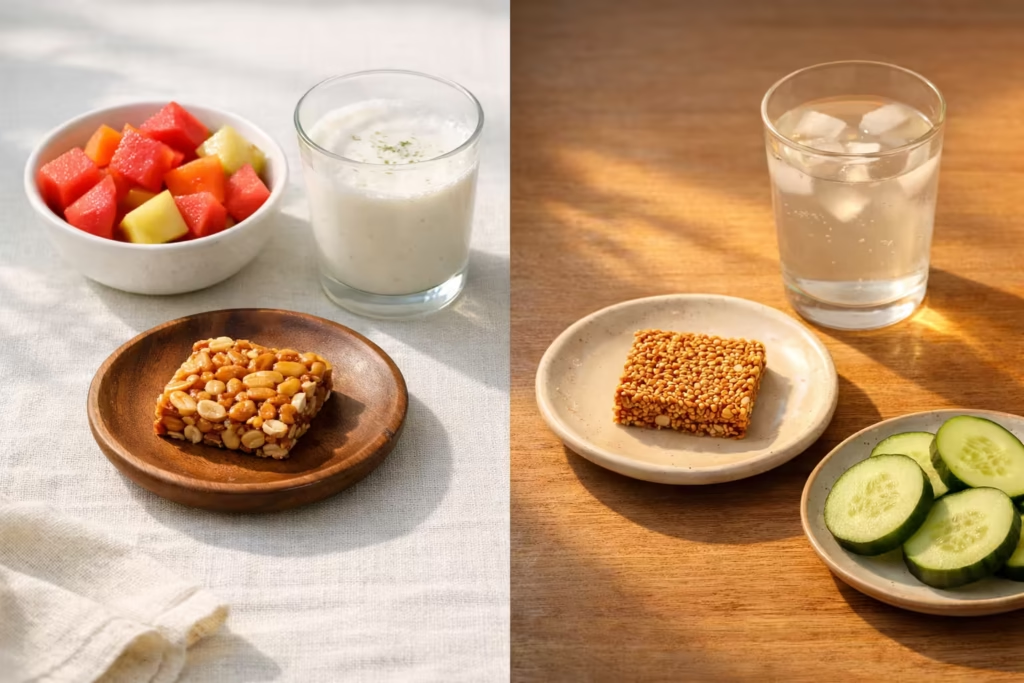
Summer quietly changes how our body responds to food. Appetite drops, digestion slows, and heavy or oily snacks often feel uncomfortable. That’s why choosing what to eat, when to eat, and how much to eat matters more than choosing a long list of “top snacks”.
This guide focuses on how to select healthy summer snacks, how morning and evening needs differ, and how traditional options like peanut chikki and sesame chikki can fit when eaten mindfully.
Why snack selection matters more in summer
During hot weather, the body works harder to stay cool. Foods that are heavy, overly processed, or stored improperly can feel difficult to digest. Health authorities consistently emphasize:
- Lighter foods
- Better hydration
- Fresh and familiar ingredients
In summer, snacking is not about filling hunger – it’s about supporting comfort and steady energy.
Choosing summer snacks for the morning
Morning is when digestion is relatively stronger compared to late evening. This is the time when slightly denser snacks can be handled in small portions.
What works well in the morning:
- Fresh fruits with high water content
- Yogurt or buttermilk
- Soaked nuts in limited quantity
- A small piece of traditional peanut chikki, paired with a cooling drink
🩺 Doctor insight (morning)
Doctors often note that the body handles energy-dense foods better earlier in the day, when digestive activity is higher. This is why morning snacks can include slightly denser foods – as long as portions are controlled and hydration is adequate.
Peanut chikki in the morning works best when:
- Portion size is small
- It is freshly prepared and dry
- It is paired with fluids like water, buttermilk, or light tea
Morning snacks should support energy without creating heaviness.
Choosing summer snacks for the evening
Evening snacks should be lighter than morning ones. As the day cools down, digestion slows, and heavy snacks may cause discomfort at night.
Better evening snack choices:
- Buttermilk or coconut water
- Cucumber or fruit slices
- Roasted grains or puffed rice (in moderation)
- A small piece of sesame chikki, eaten slowly
🩺 Doctor insight (evening)
Doctors generally recommend lighter, cooling foods in the evening to avoid digestive stress at night. Snacks that are eaten slowly and in small quantities are less likely to cause bloating or discomfort before sleep.
Sesame-based snacks are traditionally consumed in very small quantities, which makes them more suitable as a light evening bite rather than a heavy snack.
Portion control: the most ignored summer rule
In summer, how much you eat matters more than what you eat.
A healthy summer snack should:
- Be small in size
- Be eaten slowly
- Leave you comfortable, not full
Traditional snacks like peanut chikki and sesame chikki were never meant to be eaten in large quantities. They were designed as small energy bites, not meal replacements.
What to avoid eating during summer
Certain foods are more likely to cause discomfort in hot weather:
- Deep-fried snacks
- Overly sugary packaged foods
- Snacks stored at room temperature for long hours
- Heavy cream-based items
- Carbonated sugary drinks
Avoiding these helps reduce fatigue, bloating, and dehydration.
Storage & freshness matter more in summer
Even good snacks can become problematic if stored incorrectly.
Basic summer storage tips:
- Keep snacks in airtight containers
- Store in a cool, dry place
- Avoid exposure to direct sunlight
- Consume within recommended time
This is especially important for traditional snacks made with natural ingredients.
What research and nutrition studies indicate
Nutrition research consistently highlights a few patterns relevant to summer eating:
- Hydration-first foods support temperature regulation and comfort
- Smaller, frequent snacks are easier on digestion in hot climates
- Familiar, minimally processed foods are generally better tolerated than heavily engineered snacks
These findings align closely with traditional eating habits, where snacks were seasonal, portion-controlled, and paired with fluids rather than eaten in isolation.
Frequently Asked Questions (FAQs)
Understanding Traditional Chikki: Making, Taste & Benefits
Explore how traditional chikkis are prepared, what gives them their distinctive taste and texture, and why they continue to be valued beyond just sweetness.
- How to Make Sesame Chikki at Home with Factory-Like Taste
A step-by-step look at how sesame chikki is traditionally prepared, focusing on ingredient handling, temperature control, and techniques that influence taste and finish. - How to Make Peanut Chikki That Stays Crunchy for Days
An explanation of preparation methods and small details that help peanut chikki maintain its crunch and texture over time. - Top Peanut Chikki Benefits That Make It More Than Just a Sweet
A closer look at why peanut chikki has long been seen as more than a sweet treat, including insights into ingredients, portioning, and traditional usage.
Final thought
Healthy summer snacking is not about chasing trends or labels. It’s about listening to your body, respecting the season, and choosing familiar foods in the right quantity at the right time.
When eaten thoughtfully, traditional snacks can still have a quiet, balanced place in summer routines.