
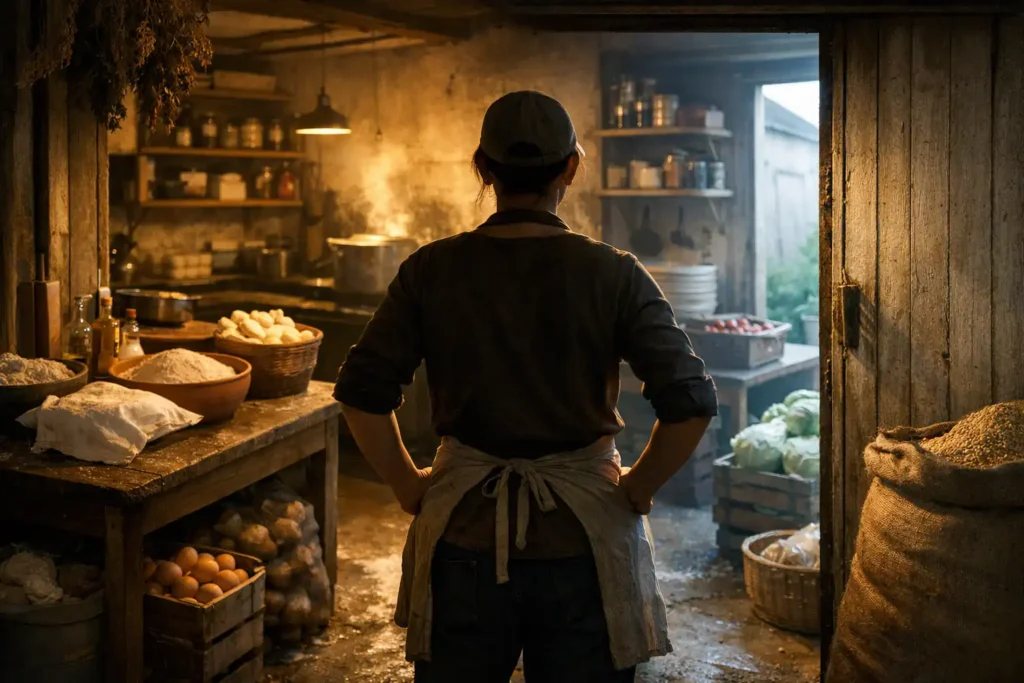
Traditional sweets like peanut chikki and sesame gajak are deeply woven into everyday life. They look simple, familiar, and almost effortless from the outside. That’s why many people feel confident about starting a chikki manufacturing unit without fully understanding what the work actually demands.
But once you step closer to the production floor, the picture changes.
Chikki manufacturing is not about mixing peanuts and jaggery once and getting it right. It’s about repeating the same result, every single day, under changing conditions – raw materials, weather, labour, and time pressure. That responsibility is what separates a short-term attempt from a sustainable manufacturing operation.
Before You Start: What Most People Don’t See
From the outside, chikki feels forgiving. Inside production, it is not.
Chikki is a heat-sensitive product. Small changes in temperature, timing, or mixing can change texture, taste, and shelf life. A few seconds too early or too late can decide whether a batch holds together or fails.
Raw materials don’t behave the same throughout the year. Peanuts release oil differently across seasons. Jaggery reacts to heat based on purity and moisture. Labour skill often matters more than equipment, especially in the early stages.
These are not textbook points. These are realities that only become visible after real production cycles — something every person serious about starting a chikki manufacturing unit must be prepared to face.
Raw Material Reality: Where Most Losses Begin
One of the biggest misconceptions is that peanuts are just peanuts, and jaggery is just jaggery.
In practice:
- Different peanut grades behave differently under heat
- Moisture levels directly affect binding and shelf life
- Jaggery quality is inconsistent and unpredictable
Cheaper raw materials may reduce purchase cost, but they often increase rejection, rework, and inconsistency. Many new manufacturers understand this only after losing multiple batches.
This is where experience quietly builds – learning how raw material variation affects the final product and adjusting processes without compromising quality.
Manufacturing Setup Basics
A manufacturing setup doesn’t fail because it is small. It fails because it is poorly planned.
What matters most:
- Clear movement flow inside the unit
- Proper ventilation during jaggery cooking
- Floors and surfaces that are easy to clean
- Physical separation between raw material, cooking, cooling, and packing
This logic applies whether you are working from a compact setup or expanding gradually. When people rush into starting a chikki manufacturing unit, they often focus on equipment first and ignore how daily operations will actually function.
Good manufacturing starts with clarity, not complexity.
Hygiene & Compliance: What Works on the Floor
Food safety is not a certificate on the wall. It’s a habit repeated daily.
Compliance with FSSAI requirements is important, but real hygiene comes from:
- Consistent worker training
- Clean clothing and hand discipline
- Controlled access to production areas
- Proper record-keeping
Rules don’t enforce themselves. People do. And during inspections, it’s not the posters that matter – it’s the records, routines, and discipline behind them.
Process Control: The Invisible Skill Behind Good Chikki
The biggest quality differences in chikki are rarely visible at first glance.
They come from:
- Temperature control during jaggery melting
- Mixing speed and timing
- Cooling duration before cutting
Too much heat makes bitterness. Too little makes weak binding. Cooling too fast or too slow changes hardness.
This is where judgment develops – not from manuals, but from standing near the stove, watching patterns repeat. Even in a well-equipped chikki factory, process awareness matters more than automation.
For readers who want a clearer, step-by-step view of how production actually flows on the ground, we’ve explained the complete chikki manufacturing process separately – from preparation to cutting and packing – in a detailed industry-focused guide.
A Short Story Many New Manufacturers Can Learn From
When Maganlal Chikki became popular in Lonavala, it wasn’t because the product was complex. It was because it stayed consistent for decades.
But one decision quietly shaped its long-term story.
The family focused on making good chikki and expanding demand – yet never formally protected the brand name. Over time, many sellers began using the same name, packaging, and identity. Today, customers struggle to tell which product is original and which is not.
The chikki survived.
The brand identity weakened.
For new manufacturers, this story carries a simple lesson:
manufacturing quality alone is not enough – identity, documentation, and ownership matter just as much.
Common Mistakes New Manufacturers Make
This is where many journeys struggle early on:
- Rushing production to meet demand
- Ignoring humidity and moisture impact
- Over-relying on machines without understanding behaviour
- Not documenting batches or changes
Mistakes are part of manufacturing, but repeating the same ones is costly. Learning comes faster when production is observed, recorded, and corrected – not when problems are hidden.
Anyone serious about starting a chikki manufacturing unit needs to accept that consistency is earned, not assumed.
What Scaling Really Means in Chikki Manufacturing
Scaling is not just producing more. It is producing more without losing control.
As volume increases:
- Shelf life becomes critical
- Packaging choices affect taste and texture
- Quality checks must become systematic
Machines can help, but they don’t replace understanding. Sustainable growth comes from strengthening systems first, not just increasing output.
A Grounded Ending, Not a Sales Pitch
Chikki manufacturing can be deeply satisfying. It preserves tradition, feeds people, and creates long-term value when done responsibly.
But it also demands patience, discipline, and respect for process.
Anyone can begin.
Not everyone is ready to maintain quality every single day.
That difference decides how long the journey lasts.
A Note From the Manufacturing Floor
The insights shared in this article come from real manufacturing experience — lessons that became clear only after we started producing, observing failures, correcting processes, and repeating batches consistently.
At RudrasFoods, we have been involved in chikki manufacturing since 2020, and the understanding shared here reflects what production teaches over time, not what theory promises.
If you’d like to learn more about how we approach manufacturing, processes, and quality control:
👉 Explore Our Chikki Manufacturer Page