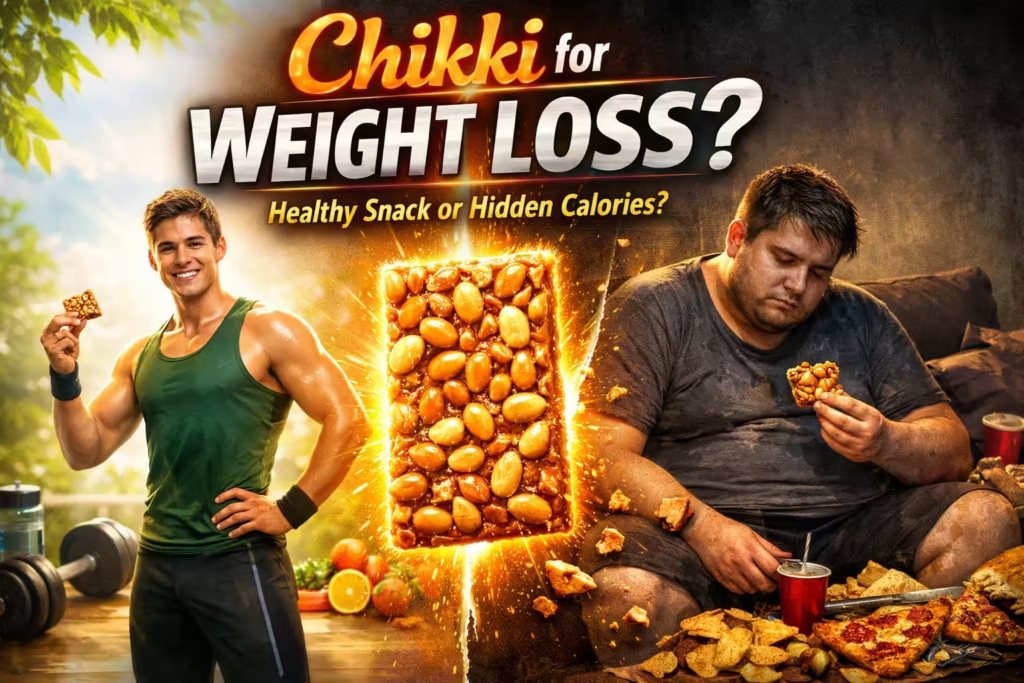
When people start their weight loss journey, one of the first questions that comes up is simple but confusing:
“Can I still eat chikki?”
Some say it’s healthy, some say it causes weight gain, and somewhere in between, people are left guessing.
The truth is not extreme. It’s more practical and more useful than you think.
What Exactly is Chikki?
Chikki is a traditional Indian snack made using simple ingredients, most commonly peanuts and jaggery.
Variations include sesame seeds, dry fruits, and mixed nuts, each offering a slightly different nutritional profile.
Unlike processed snacks, chikki is often considered a clean-label, traditional food, which is why many people look at it as a healthy alternative to chocolates and packaged sweets.
But does that automatically make it good for weight loss? Not exactly.
Nutritional Reality: Why Chikki is Both Good and Risky
Let’s understand this clearly.
Peanut chikki is:
- Rich in healthy fats
- Contains moderate protein
- High in natural sugars (from jaggery)
- And importantly, high in calories
This is where most people misunderstand.
Yes, peanuts have a high satiety index, meaning they keep you full for longer.
Yes, jaggery contains minerals and is often considered better than refined sugar.
But at the same time, 100g of peanut chikki can cross 500+ calories.
Overeating even a “healthy” snack can stop weight loss.
So the question is not whether chikki is good or bad.
The real question is: How are you eating it?
Can Chikki Actually Help in Weight Loss?
Surprisingly yes, it can.
When eaten in the right way, chikki can support your diet.
Here’s how:
- The combination of protein and healthy fats helps reduce hunger
- It can prevent sudden cravings for junk food
- It works as a better alternative to chocolate or biscuits
- It provides steady energy, especially useful between meals
Quick Comparison: Peanut Chikki vs Milk Chocolate
| Metric (approx. 25g) | Peanut Chikki | Milk Chocolate |
|---|---|---|
| Calories | ~130 kcal | ~155 kcal |
| Protein | ~4g | ~1.5g |
| Sweetener | Jaggery (Iron/Minerals) | Refined Sugar (Empty) |
| Satiety (Fullness) | High | Low |
In fact, if you compare it with highly processed snacks, chikki often stands out as a cleaner and more satisfying option.
But Here’s Where It Goes Wrong
This is the part most people ignore.
Chikki becomes a problem when:
- You eat it in large quantities
- You treat it as a “free healthy snack”
- You ignore its calorie density
Even though jaggery has benefits, it is still a form of sugar.
Excess sugar even from natural sources can slow down fat loss.
This is why many people who think they are eating “healthy” still don’t see results.
The Real Truth You Should Know
Chikki is not a weight loss food.
But it is also not something you need to completely avoid.
It sits in the middle.
It’s a calorie-dense, nutrient-rich snack that can support weight loss only when consumed in moderation.
That’s the balance most blogs don’t explain properly.
How to Eat Chikki Without Gaining Weight
If you want to include chikki in your diet, here’s the smart way:
- Limit to small portions (10–20g per serving)
- Eat it as a mid-morning or evening snack
- Avoid eating it late at night
- Pair it with a balanced diet, not as an extra add-on
When used correctly, it can actually reduce your dependency on unhealthy snacks.
Peanut vs Sesame Chikki: Which is Better?
Both are good—but slightly different.
- Peanut chikki → higher protein, more filling
- Sesame chikki → rich in calcium and micronutrients
If your goal is satiety and hunger control, peanut chikki works slightly better.
If you’re looking for variety and additional minerals, sesame is a great choice.
Common Myths About Chikki
Let’s clear a few things quickly:
- “Chikki doesn’t cause weight gain” → ❌ Wrong
- “Jaggery is completely safe for dieting” → ❌ Not entirely
- “Healthy snacks can be eaten unlimited” → ❌ Biggest mistake
Even the best foods can work against you if portions are ignored.
Connecting the Bigger Picture
If you’ve already read about the health benefits of peanut chikki, or explored What Happens When You Eat Chikki Every Day, you already know one thing:
chikki is powerful—but only when respected.
This blog completes that picture by showing where it fits in weight loss.
A Smarter Snack Choice (And Where Quality Matters)
One important factor people overlook is quality.
Not all chikki is made the same way.
The balance of jaggery, the roasting of peanuts, and the absence of unnecessary additives all make a difference not just in taste, but in how your body responds to it.
If you’re looking for a better option, choosing a traditionally prepared product matters.
For those who want to explore, you can check out peanut chikki online options or try a sesame chikki bar made with clean ingredients rather than mass-produced versions.
And if you’re someone who values traditional methods and consistency, RudrasFoods is one such manufacturer that focuses on delivering authentic chikki not just for bulk buyers, but for everyday consumers who want a reliable and quality snack experience.
Final Thought
Chikki is not your enemy.
But it’s not your shortcut either.
It’s a simple food with powerful nutrition and equally powerful calories.
The difference between weight loss and weight gain doesn’t depend on chikki alone.
It depends on how you use it.
References
- Harvard T.H. Chan School of Public Health
- USDA Food Database
- National Institute of Nutrition (India)
- American Journal of Clinical Nutrition
FAQs
Can I eat chikki daily during weight loss?
Yes, but only in small portions (the Thumb Rule) and within your calorie limit
Is peanut chikki better than chocolate?
Yes, it’s a healthier alternative with better fats and protein—but still calorie-dense
Can diabetics eat chikki for weight loss?
Jaggery still impacts blood sugar. Diabetics should consult a doctor and keep portions very small (less than 10g) if they choose to eat it
Does jaggery help in metabolism?
Jaggery contains minerals and may support digestion, but it should still be consumed in moderation