The Sweet Deception: How Convenience Replaced Nutrition
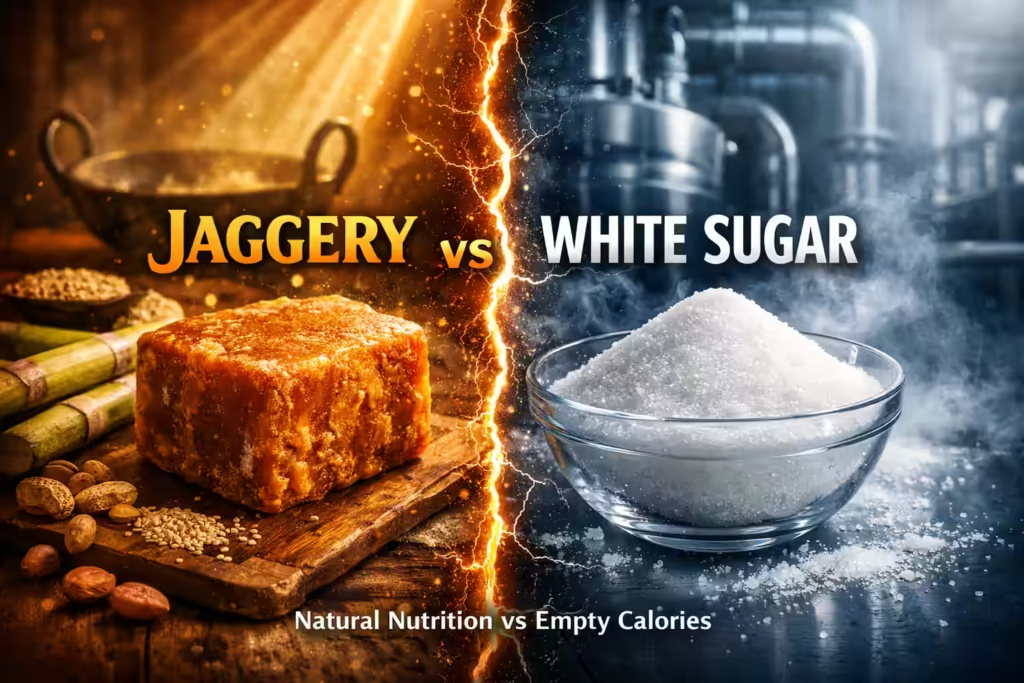
Sweetness is the primary flavor of human celebration. For centuries, across the Indian subcontinent, that sweetness was synonymous with Gur (Jaggery). It was a seasonal, artisanal, and deeply medicinal ingredient. However, the mid-20th century brought the “White Revolution” of sugar—a refined, bleached, and chemically stable crystal that conquered the world’s pantry.
But as our kitchens grew more modern, our metabolic health began to decline. Today, science is looking backward to move forward. The debate between jaggery and white sugar isn’t just about calories; it’s about the difference between a “dead” chemical and a “living” food. At RudrasFoods, we believe that returning to traditional sweeteners is the most effective way to satisfy a sweet tooth without compromising the body’s internal balance.
The Industrial Processing Gap: Refining vs. Retaining
To understand why white sugar is often called “Sweet Poison,” we must look at the factory floor. White sugar is a product of extreme industrial intervention. The process involves:
- Chemical Clarification: Using milk of lime and phosphoric acid.
- Sulfur Treatment: Bleaching the sugar to achieve that “snow-white” look, which can leave trace sulfites.
- High-Heat Centrifugation: This process spins the sugarcane juice at incredible speeds to separate the “molasses” from the sucrose.
What is lost? Everything. The molasses contains 100% of the plant’s minerals and antioxidants. By removing it, you are left with 99.9% pure sucrose—a substance that provides a massive energy hit but lacks the biological “key” the body needs to unlock that energy safely.
The Jaggery Alternative: Non-Centrifugal Sugar
Jaggery is technically a non-centrifugal sugar. It is produced by simply boiling sugarcane juice in large shallow pans until it thickens and solidifies. No bleaching agents, no synthetic clarifiers, and most importantly, no separation. The molasses stays inside. This means the iron, magnesium, and potassium that the sugarcane plant absorbed from the earth actually make it to your plate.
The Nutritional Breakdown: A Comparative Study
| Nutrient (per 100g) | Refined White Sugar | Traditional Jaggery (Gur) |
| Sucrose Content | ~99.9% | 65% – 85% |
| Iron | 0 mg | 10 mg – 13 mg |
| Magnesium | 0 mg | 70 mg – 90 mg |
| Potassium | 0 mg | 1000 mg+ |
| Antioxidants | None | High (Phenolic Compounds) |
| Digestion | Creates Acidity | Alkaline-forming |
Beyond Calories: The Impact of Polyphenols in Chikki
While the mineral content of jaggery is impressive, the real “superhero” of traditional sweets is the Polyphenol content. Polyphenols are micronutrients that we usually get from colorful vegetables and fruits. White sugar has zero polyphenols. Jaggery, because it is unrefined, is a concentrated source of these antioxidants.
However, polyphenols are sensitive to heat and environment. Our specialized research into the impact of polyphenols in chikki reveals a fascinating synergy. When jaggery is combined with nuts, the healthy monounsaturated fats in the nuts act as a carrier for the antioxidants. This “Synergy Effect” means that the polyphenols in the jaggery are better absorbed by the human gut when eaten as a snack like Chikki, rather than when consumed alone in tea or coffee.
Functional Nutrition: Life Stages and Traditional Sweets
One of the most frequent questions regarding traditional snacks is their role during critical life stages, such as pregnancy. In Indian tradition, certain foods were prescribed not just for calories, but for their specific mineral density.
Peanut Chikki During Pregnancy
Pregnancy demands a higher intake of folate and iron. A high-quality peanut chikki (kadalai mittai) provides a unique combination of plant-based protein and non-heme iron. The jaggery provides the iron needed for hemoglobin production, while the peanuts provide Resveratrol—a powerful polyphenol that supports heart health and cellular repair. It serves as a “clean” energy snack that helps combat the fatigue often associated with pregnancy.
Sesame Chikki During Pregnancy
Similarly, sesame chikki is a traditional powerhouse for bone health. Sesame seeds contain Sesamin and Sesamolin, which are unique lignans that support liver health and hormone balance. When bound with jaggery, these minerals—specifically calcium and zinc—become more bioavailable to the body, supporting both the mother’s bone density and the baby’s development.
The Science of the Crunch: How We Preserve Nutrition in Our Chikki Factory
Transitioning from a home kitchen to a professional jaggery chikki making factory usually involves compromises. Most commercial brands use Liquid Glucose (a highly refined corn syrup) to create a fake shine and extend shelf life.
At RudrasFoods, we refuse to use liquid glucose. Our process focuses on “Integrity at Scale”:
- Temperature Precision: We cook our jaggery at specific intervals to ensure the polyphenols are not destroyed by over-boiling.
- Triple-Filtered Purity: We use natural filtration to remove physical impurities without using the harsh sulfur bleaches found in white sugar.
- The Kovilpatti Legacy: Inspired by the traditional methods of regions like Kovilpatti, we ensure our “crunch” comes from the perfect moisture-evaporation ratio, not from chemical hardening agents.
The Respiratory and Digestive Benefits of Gur
Beyond nutrition, jaggery acts as a functional cleanser. In many industrial regions of India, workers are traditionally given a piece of jaggery after their shift. Why?
- Lungs: Jaggery has been shown to help clear the respiratory tract of dust and smoke particles, making it an essential “urban detox” food for modern city living.
- Digestion: While white sugar can cause gastric acidity and fermentation in the gut, jaggery is alkaline-forming. It stimulates the secretion of digestive enzymes, which is why a small piece of chikki is the perfect “post-meal” ritual to prevent bloating.
Why Modern Snacking Needs a Traditional Rebrand
The modern snack aisle is filled with “zero-sugar” bars filled with sugar alcohols and “protein” snacks filled with soy isolates. These are highly processed “Franken-foods.” Traditional snacks like Chikki represent a “Whole Food” philosophy.
- No Preservatives: The low moisture content and the natural antioxidant structure of jaggery act as a natural preservative.
- Sustained Energy: Unlike the “Sugar Crash” of a chocolate bar, the combination of protein, fiber, and the low Glycemic Index (compared to sugar) of a nut-and-jaggery snack leads to a slow, steady release of energy.
Frequently Asked Questions (FAQ)
1. Is jaggery better than sugar for weight loss?
Jaggery has roughly the same calories as sugar. However, because it contains minerals and polyphenols, it satisfies the body’s nutrient needs faster. You are less likely to overeat a nutrient-dense chikki than a refined sugar candy.
2. How do I identify pure jaggery?
Look for a dark brown or earthy golden color. If the jaggery is bright yellow or almost white, it has likely been treated with sodium bicarbonate or chemical bleaches.
3. Does RudrasFoods use any refined sugars?
No. Our commitment to health means we use 100% natural jaggery and zero liquid glucose. This makes our chikki slightly softer and much more flavorful than chemically-hardened alternatives.
Conclusion: A Return to Thoughtful Choices
The transition from white sugar back to jaggery is a small change with profound long-term results. By choosing snacks that respect the integrity of the ingredients, you are investing in your metabolic future.
Whether you are looking for a mineral-rich boost during a busy workday or a safe, traditional snack for your family, the science is clear: Nature’s original sweetener is still the best.
[Explore the RudrasFoods Collection – Traditionally Crafted for Modern Health.]